Turn Your Kitchen Into a Mad Scientist's Restaurant
Turn Your Kitchen Into a Mad Scientist's Restaurant
Couldn't load pickup availability
🧪 Dinner Is About to Get Scientifically Ridiculous
Some people follow recipes. Others look at a perfectly innocent bottle of balsamic vinegar and wonder whether it could become a collection of tiny edible pearls. The Molecule-R Cuisine R-Evolution starter kit is for that second group. It introduces molecular gastronomy, the wonderfully experimental side of cooking where familiar ingredients can turn into foams, gels, spheres and other things that make dinner guests ask whether they are meant to eat the decoration. The answer is often yes, which is half the fun.
🍝 Chocolate Spaghetti Is a Real Possibility
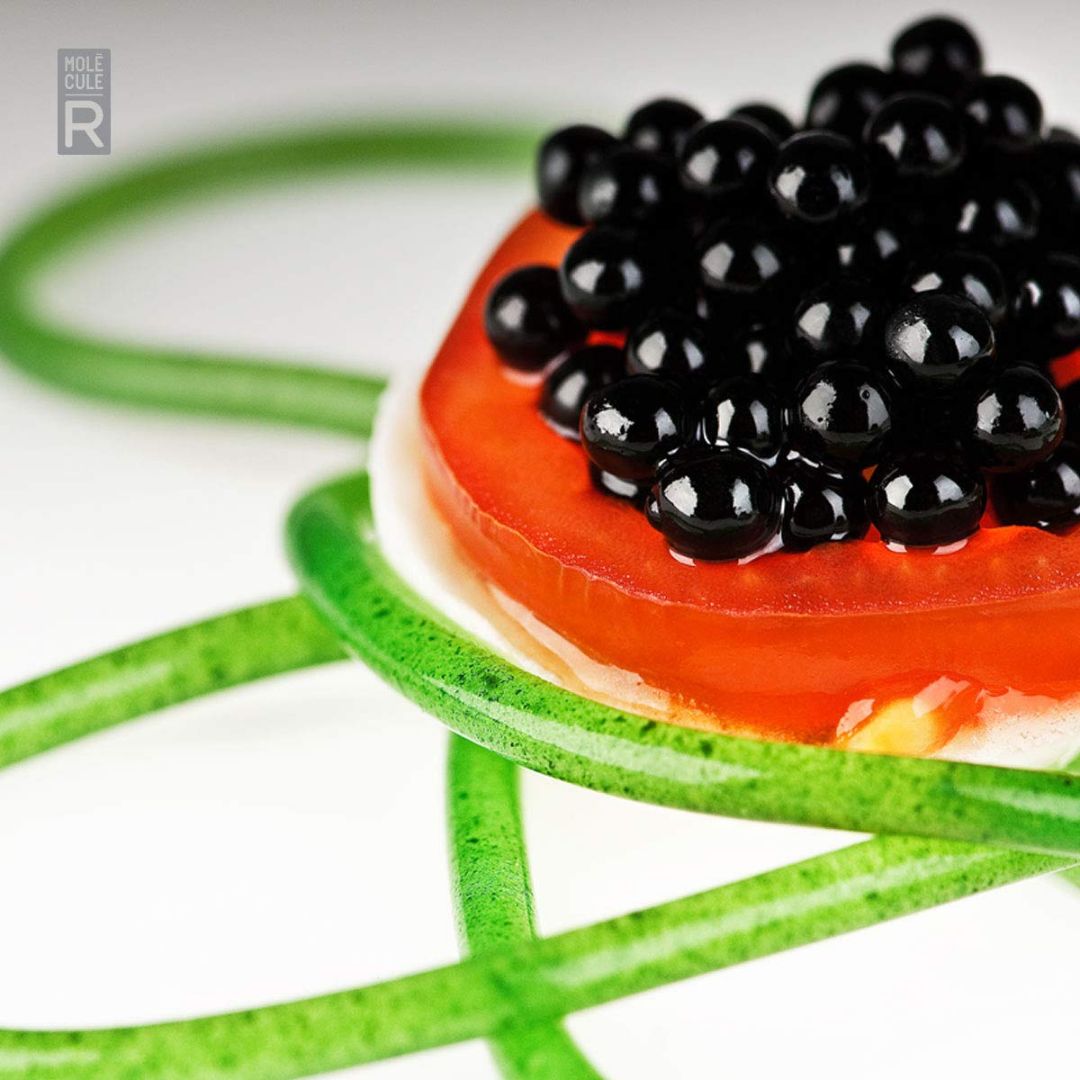
The kit explores three eye-catching techniques: spherification for little liquid-filled pearls, emulsification for airy foams, and gelification for unexpected shapes and textures. Imagine serving balsamic pearls with a salad, a lemon cloud with dessert or chocolate spaghetti that looks suspiciously like a pasta course. It is less about making meals unnecessarily complicated and more about seeing what happens when culinary curiosity meets a little kitchen chemistry. You bring the ingredients and the adventurous attitude; the kit helps explain how to turn them into something suitably theatrical.
🥄 An Actual Starter Lab, Minus the Lab Coat
Inside are measured sachets of four culinary additives: agar-agar, calcium lactate, sodium alginate and soy lecithin. The Amazon version lists five small sachets of each, along with a silicone mold, slotted spoon, measuring spoon, syringe, tubes and pipettes. A recipe booklet guides beginners through the basics, with additional tutorials available online. These ingredients have specific jobs, and measurements matter, so following the recipes is the clever way to experiment. Randomly throwing powders into dinner may produce chemistry, but not necessarily the sort anyone wants to taste.
🎁 A Gift for the Chef Who Has Every Spatula
This is a brilliant choice for adventurous cooks, food-obsessed friends, science enthusiasts and hosts who love giving their guests something to talk about. It works as a weekend project, a cooking-date challenge or the opening act of a surprisingly elaborate dinner party. Younger food scientists should work with adult supervision and follow the supplied preparation and food-handling instructions. Best of all, it is a gift that makes the ordinary kitchen feel like an experimental restaurant for an afternoon. Your next dessert might need an explanation, and frankly that is excellent news.
✅ Why You'll Love It
Buy It Now on Amazon-
Share:
-
-

-

-

-


🧪 Dinner Is About to Get Scientifically Ridiculous
Some people follow recipes. Others look at a perfectly innocent bottle of balsamic vinegar and wonder whether it could become a collection of tiny edible pearls. The Molecule-R Cuisine R-Evolution starter kit is for that second group. It introduces molecular gastronomy, the wonderfully experimental side of cooking where familiar ingredients can turn into foams, gels, spheres and other things that make dinner guests ask whether they are meant to eat the decoration. The answer is often yes, which is half the fun.
🍝 Chocolate Spaghetti Is a Real Possibility
The kit explores three eye-catching techniques: spherification for little liquid-filled pearls, emulsification for airy foams, and gelification for unexpected shapes and textures. Imagine serving balsamic pearls with a salad, a lemon cloud with dessert or chocolate spaghetti that looks suspiciously like a pasta course. It is less about making meals unnecessarily complicated and more about seeing what happens when culinary curiosity meets a little kitchen chemistry. You bring the ingredients and the adventurous attitude; the kit helps explain how to turn them into something suitably theatrical.
🥄 An Actual Starter Lab, Minus the Lab Coat
Inside are measured sachets of four culinary additives: agar-agar, calcium lactate, sodium alginate and soy lecithin. The Amazon version lists five small sachets of each, along with a silicone mold, slotted spoon, measuring spoon, syringe, tubes and pipettes. A recipe booklet guides beginners through the basics, with additional tutorials available online. These ingredients have specific jobs, and measurements matter, so following the recipes is the clever way to experiment. Randomly throwing powders into dinner may produce chemistry, but not necessarily the sort anyone wants to taste.
🎁 A Gift for the Chef Who Has Every Spatula
This is a brilliant choice for adventurous cooks, food-obsessed friends, science enthusiasts and hosts who love giving their guests something to talk about. It works as a weekend project, a cooking-date challenge or the opening act of a surprisingly elaborate dinner party. Younger food scientists should work with adult supervision and follow the supplied preparation and food-handling instructions. Best of all, it is a gift that makes the ordinary kitchen feel like an experimental restaurant for an afternoon. Your next dessert might need an explanation, and frankly that is excellent news.
✅ Why You'll Love It
Buy It Now on Amazon